JEONBUK NATIONAL UNIVERSITY
Introduction to the Major
Statistics is the study of analyzing and interpreting data under uncertainty to derive meaningful information and support rational decision-making. It goes beyond simple numerical computation to include understanding data structures, analyzing relationships among variables, and discovering hidden patterns. Such statistical reasoning is widely applied in scientific research, policy-making, financial market analysis, and artificial intelligence development.
Statistical methods play a vital role in almost every field of modern society, including economics, social sciences, engineering, medicine, sports, and marketing. By interpreting complex data and providing a basis for problem-solving, statistics has become a core discipline in the data-driven era. Requiring both logical thinking and creative analytical skills, statistics provides essential tools for understanding and transforming the world through data.
What Do We Learn in Our Department?
The Department of Statistics offers a curriculum designed to balance theoretical foundations with practical applications.
Courses such as Introduction to Statistics and Concepts and Applications of Probability help students develop fundamental statistical thinking, while Regression Analysis enhances their ability to make predictions and inferences using real data.
Through R and Python Programming, students strengthen their skills in data analysis and visualization, and in courses such as Machine Learning and Deep Learning, they learn the statistical foundations of modern artificial intelligence.
What Kind of Work Can Our Graduates Do?
Graduates of the Department of Statistics pursue diverse careers based on their ability to analyze and interpret data-driven problems. In the financial sector, they contribute to risk analysis, actuarial work, and investment strategy development. In healthcare, they engage in biostatistics, clinical data analysis, and disease prediction modeling. In manufacturing, they participate in quality control, process optimization, and smart factory implementation, while in IT companies, they work on artificial intelligence development, data analysis, and machine learning model design.
In addition, many graduates work in public institutions and research organizations such as Statistics Korea, government ministries, and policy research institutes, contributing to policy analysis and national data projects. The range of applications for statistics is extremely broad, and graduates grow into experts across various fields in our increasingly data-centered society.
Features and Strengths of Our Department
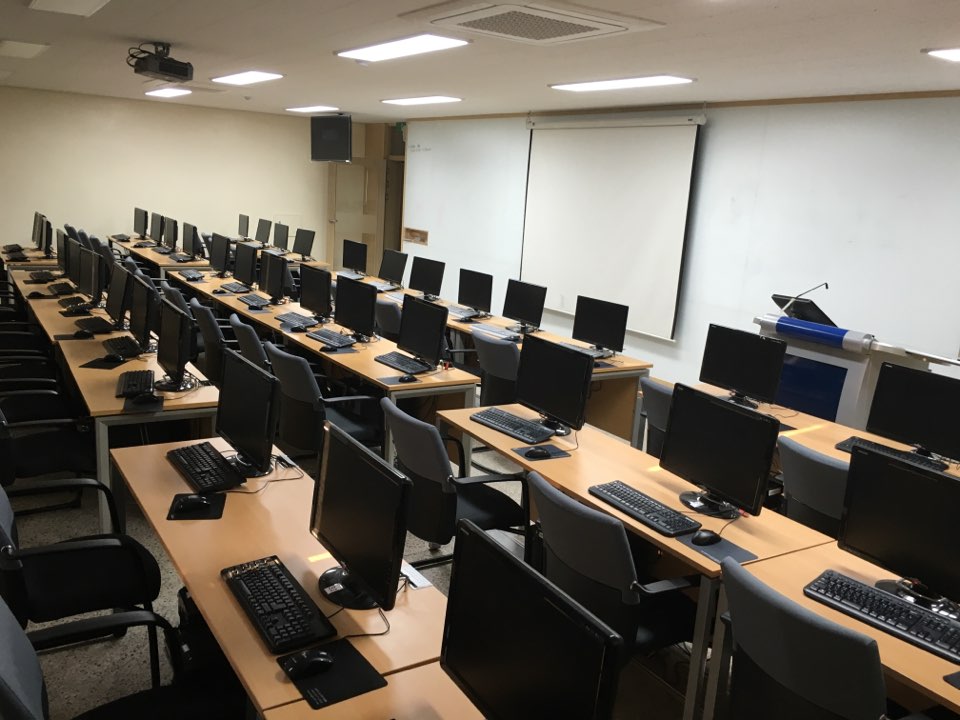
The Department of Statistics provides a comprehensive education and excellent research environment that enhance both professional knowledge and practical skills. The department operates a dedicated Big Data Laboratory equipped with cutting-edge computers and statistical software such as SAS, SPSS, R, and Python. Students can also remotely access high-performance GPU servers and big data systems to practice large-scale data processing and AI modeling.
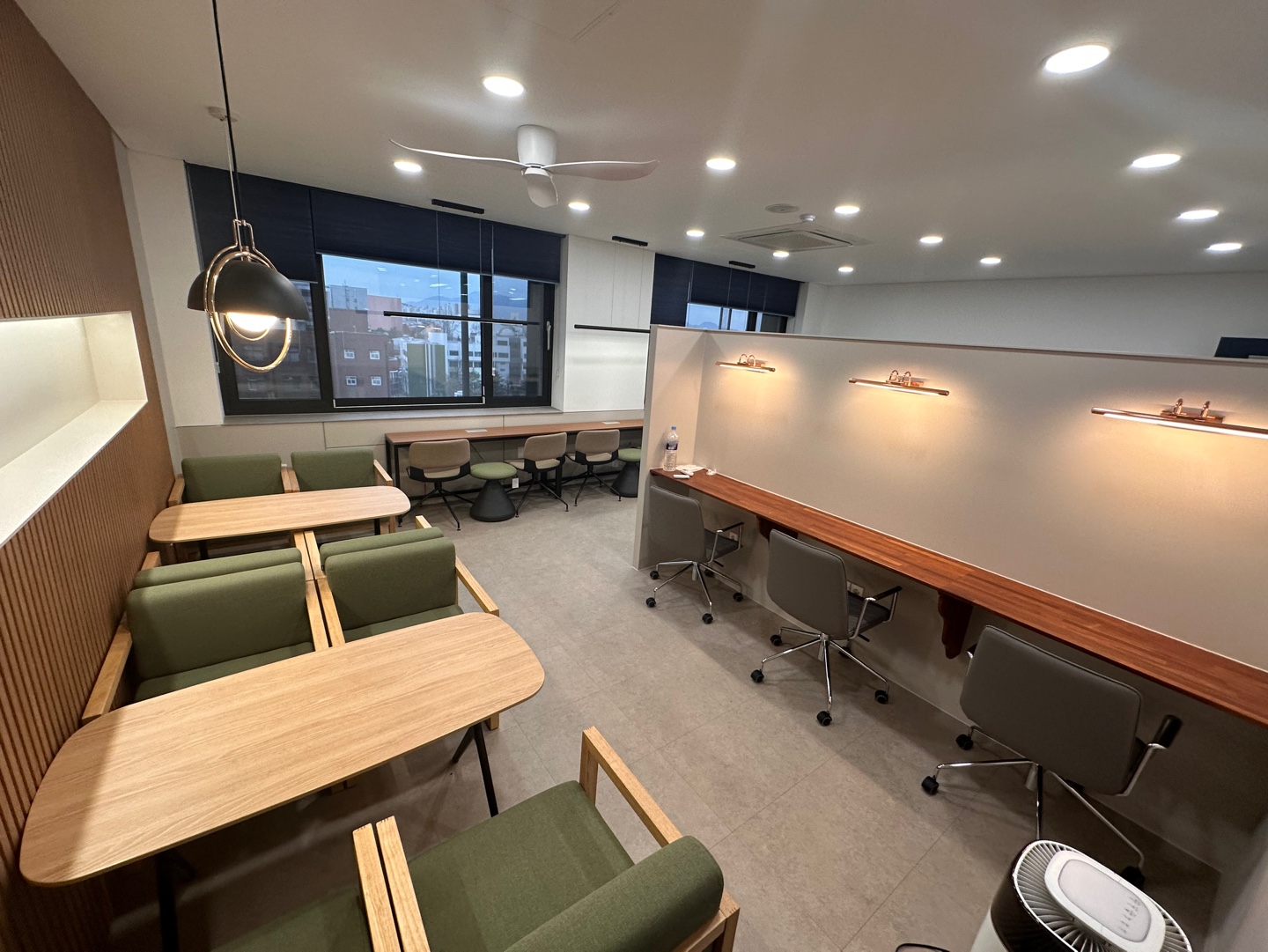
In addition, the department offers a dedicated study café for students, which serves as an ideal space for individual study, group projects, and team discussions. The café provides a comfortable environment and various amenities to support a free and collaborative learning culture. These facilities enable students to explore their studies creatively and independently in a supportive academic atmosphere.